

Understanding the Connection Between Evidence, Meaning, and Human Experience

A Guide to Personal Growth, Meaning and Self-Discovery

Learn how the mind–body–spirit connection impacts your health, stress, and emotional well-being. Discover practical ways to support holistic healing and balance.
Why Many People are Reimagining Faith Today

Faith and/or Spirituality or Both?
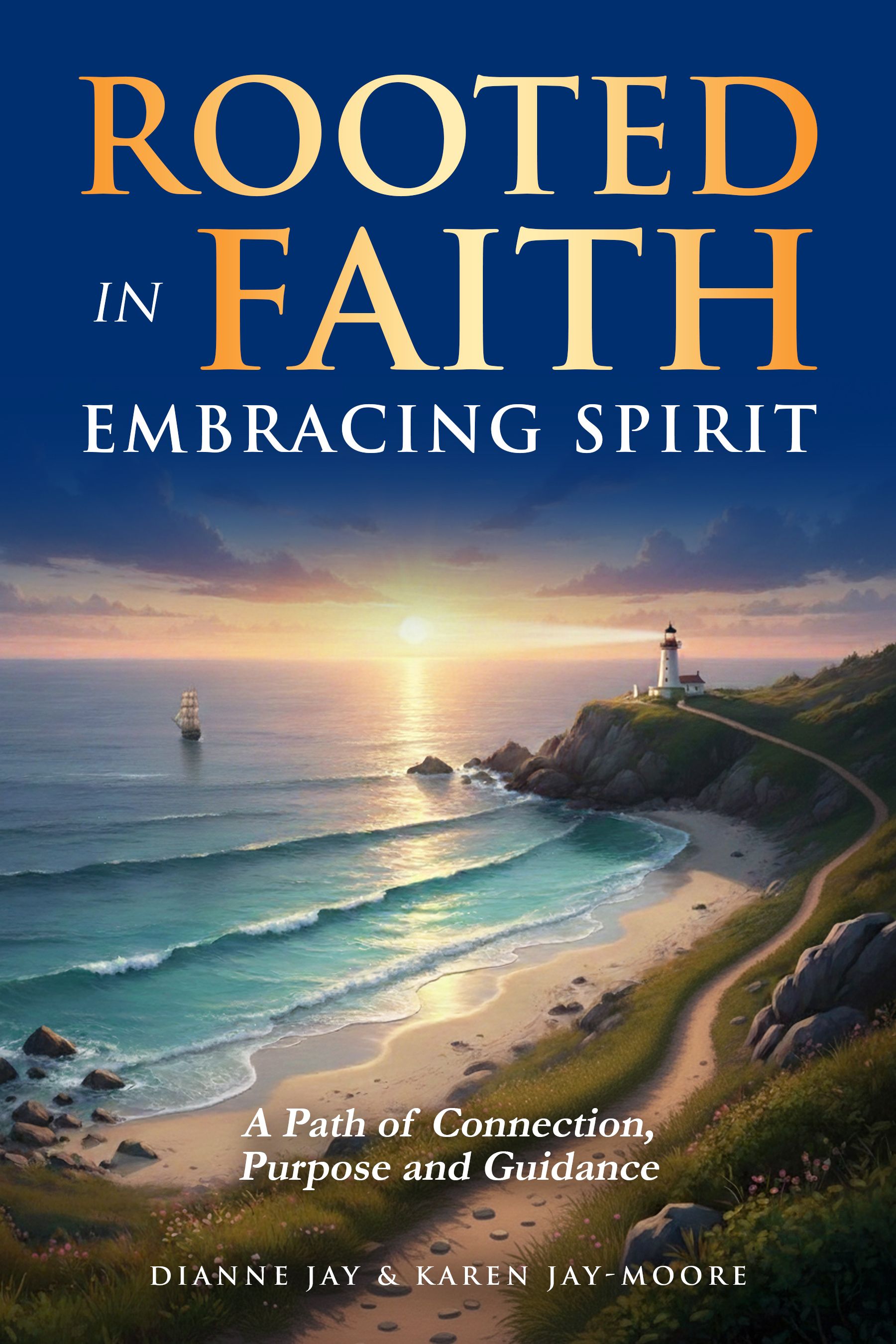
Spiritual But Not Religious - or an Integration of Both

Grief can feel overwhelming. When we lose someone we love or experience a significant life change, the emotional weight of that loss can affect every part of our lives. Many people wonder what will help them through this difficult time. While there is no single way to move through grief, there are compassionate approaches that can support healing and emotional well-being. Understanding what helps when you are grieving can make the journey feel a little less lonely. Allow Yourself to Experience Your Emotions One of the most important aspects of coping with grief is allowing space for your emotions. Grief can bring many different feelings, including sadness, longing, anger, confusion, or even moments of numbness. These emotions are natural responses to loss. Rather than trying to suppress these feelings, it can be helpful to acknowledge them with patience and compassion. Permitting yourself to grieve is an important step toward healing. Talk With Someone You Trust Grief often becomes easier to carry when it is shared with supportive people. Talking with a trusted friend, family member, counselor, or support group can provide comfort and understanding during difficult moments. Being heard and supported helps many people feel less isolated in their experience. Sometimes having someone listen can bring a sense of relief. Take Care of Your Mind and Body Grief can affect both emotional and physical well-being. During times of loss, it is especially important to care for your body and mental health. Simple practices can help restore balance: • gentle exercise such as walking • maintaining regular sleep and meals • spending time outdoors • practicing mindfulness or quiet reflection These small acts of self-care can help support emotional resilience during difficult times. Honor Memories and Meaningful Connections Healing from grief does not mean forgetting the person or experience that was lost. Many people find comfort in honoring memories in meaningful ways. This might involve sharing stories, looking at photographs, writing in a journal, or continuing traditions that were important in the relationship. These practices can help keep meaningful connections present while allowing life to continue moving forward. Give Yourself Time One of the most important aspects of grief is patience. People often worry that they should be “feeling better” after a certain amount of time. In reality, grief unfolds differently for everyone. In our article “How Long Does Grief Last? Understanding the Journey of Healing,” we explore why grief has no fixed timeline and how healing gradually unfolds. Allowing yourself the time you need is an important part of the grieving process. Finding Meaning Through Grief While grief is deeply painful, many people eventually discover that their experience of loss brings deeper reflection about life and relationships. For some individuals, grief becomes a turning point that encourages greater compassion, awareness, and appreciation for the connections that shape their lives. These themes are explored in the book Grief to Spiritual Awakening , which reflects on how experiences of loss can sometimes lead to healing, insight, and spiritual growth. Moving Forward With Compassion Grief reminds us of the depth of our love and connection with others. Although the pain of loss can feel overwhelming, it also reflects the meaningful relationships that have shaped our lives. With time, support, and compassion toward ourselves, many people discover that they can carry their memories forward while continuing to live with purpose and connection. Even in the midst of grief, healing and hope remain possible. Related Reading • Does Grief Change You? Understanding the Deeper Impact of Loss • Why Does Grief Hurt So Much? Understanding the Pain of Loss • How Long Does Grief Last? Understanding the Journey of Healing

One of the most common questions people ask after experiencing a significant loss is: How long does grief last? It is a natural question. When grief feels overwhelming, many people hope there is a clear timeline for when the pain will ease or when life will begin to feel normal again. The truth is that grief does not follow a fixed schedule. Each person’s experience of grief is unique, shaped by their relationship, life circumstances, and emotional history. Understanding this can help people approach the grieving process with greater patience and compassion toward themselves. Why Grief Has No Fixed Timeline Grief is not something we “get over.” Rather, it is a process of gradually adjusting to life after a meaningful loss. Relationships shape our lives in deep and lasting ways. When someone we love is gone, the emotional bond we shared does not disappear immediately. Our minds and hearts need time to adapt to a new reality. For some people, the intensity of grief softens over months. For others, certain feelings may continue for years, especially during anniversaries, holidays, or moments that bring memories of the person who has been lost. This does not mean something is wrong. It reflects the depth of the connection that existed. The Waves of Grief Many people describe grief as coming in waves. In the early days after a loss, those waves may feel strong and frequent. Emotions such as sadness, longing, confusion, or even anger may appear unexpectedly. Over time, the waves often become less overwhelming. They may still arise, but people gradually develop ways to carry their grief while continuing to move forward with life. This gradual adjustment is part of the healing process. When Grief Changes Over Time While grief never completely disappears, it often changes form. In the beginning, grief may feel like constant pain. As time passes, many people find that their grief becomes quieter, blending with memories, reflection, and continued love for the person they lost. Some individuals discover that grief also brings deeper insight about relationships, compassion, and what truly matters in life. In our article “How Grief Changes Your Perspective on Life,” we explore how experiences of loss can reshape personal priorities and deepen understanding. Healing Is Not Forgetting One of the fears people sometimes have is that healing from grief means forgetting the person they loved. In reality, healing often involves finding ways to maintain a meaningful connection with memories while continuing to live fully in the present. Over time, many people discover that their relationship with the person who has passed becomes part of their ongoing life story rather than something that must be left behind. Finding Meaning After Loss For some individuals, the grieving process eventually leads to deeper reflection about life, relationships, and purpose. While grief is never easy, it can encourage people to appreciate meaningful connections more deeply and to approach life with greater compassion and awareness. These themes are explored in the book Grief to Spiritual Awakening , which reflects on how experiences of loss can sometimes lead individuals toward healing, reflection, and spiritual insight. Moving Forward With Compassion If you are grieving, it is important to remember that there is no correct timeline for healing. Grief unfolds differently for everyone. What matters most is allowing yourself the time and space to experience your emotions while gradually finding ways to move forward. Over time, many people discover that while grief changes them, it also reveals their capacity for resilience, love, and a deeper understanding. Related Reading • Does Grief Change You? Understanding the Deeper Impact of Loss • Why Does Grief Hurt So Much? Understanding the Pain of Loss • How Grief Changes Your Perspective on Life
How Grief Changes Your Perspective on Life
The Many Forms of Grief. Why Grief is not always about death.

Why Does Grief Hurt So Much? Understanding the Pain of Loss
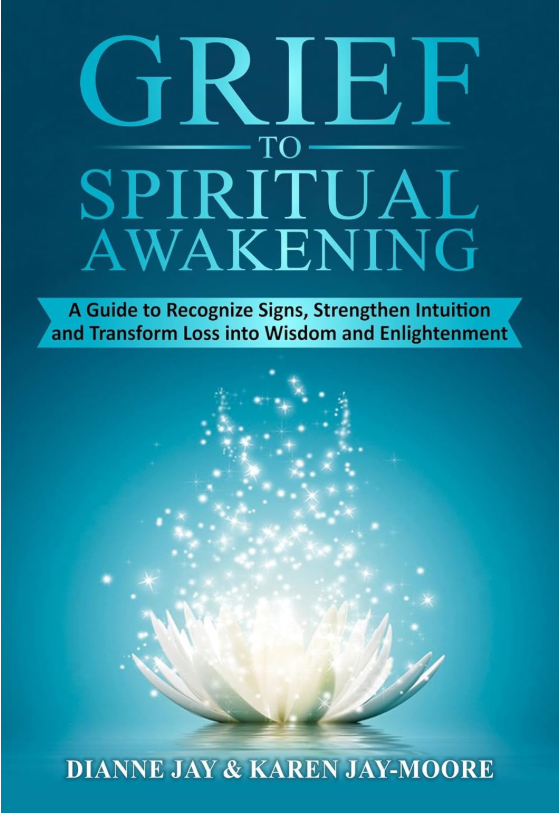
Why is Grief so Powerful? Understanding the Emotional Impact of Loss
Does Grief Change You? How Loss Can Change Your Perspective
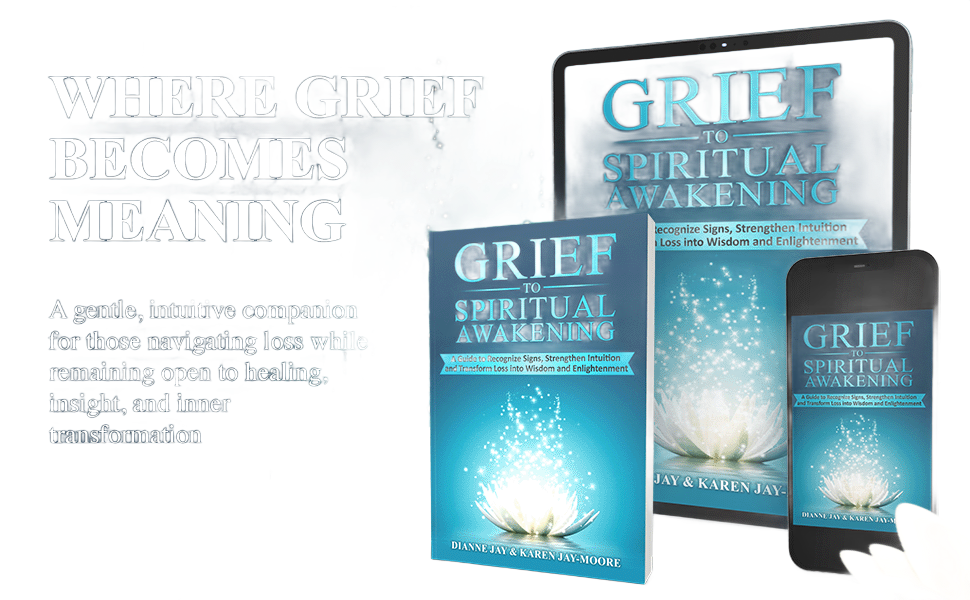
How Pain Can Become the Beginning of Growth

This is a subtitle for your new post
